Inspiration and Alignment with Go Dharmic’s Mission:
The Dharma Forest project was not just a random initiative; it was born from the heart of Go Dharmic’s mission. At Go Dharmic, our overarching purpose is to protect and enhance the well-being of all living beings. We believe in the power of compassion, and our global community of over 10,000 volunteers reflects this belief. We are united by a commitment to compassionate action across six major campaign areas: poverty alleviation, environmental preservation, education and skill development, healthcare and sanitation, disaster relief, and advocacy for positive change.
The inception of The Dharma Forest stemmed from a profound realisation of our responsibility towards the environment, local communities, animal welfare, and the safety of our planet as a whole. It was crystal clear to us that restoring and conserving natural ecosystems, especially the fragile Sundarban mangrove wetlands, was a critical endeavor. These wetlands are not just vital for the local environment but also have global significance as they act as natural barriers against cyclones and floods.
Strategy for Planting Two Million Mangroves:
Our strategy for planting two million mangroves by 2026 is comprehensive. It starts with the establishment of a dedicated mangrove nursery in the Sundarbans. Here, we meticulously cultivate mangrove saplings from seeds. These saplings are nurtured until they reach a height of 60 to 90 centimeters, which typically takes around 3 to 4 months.
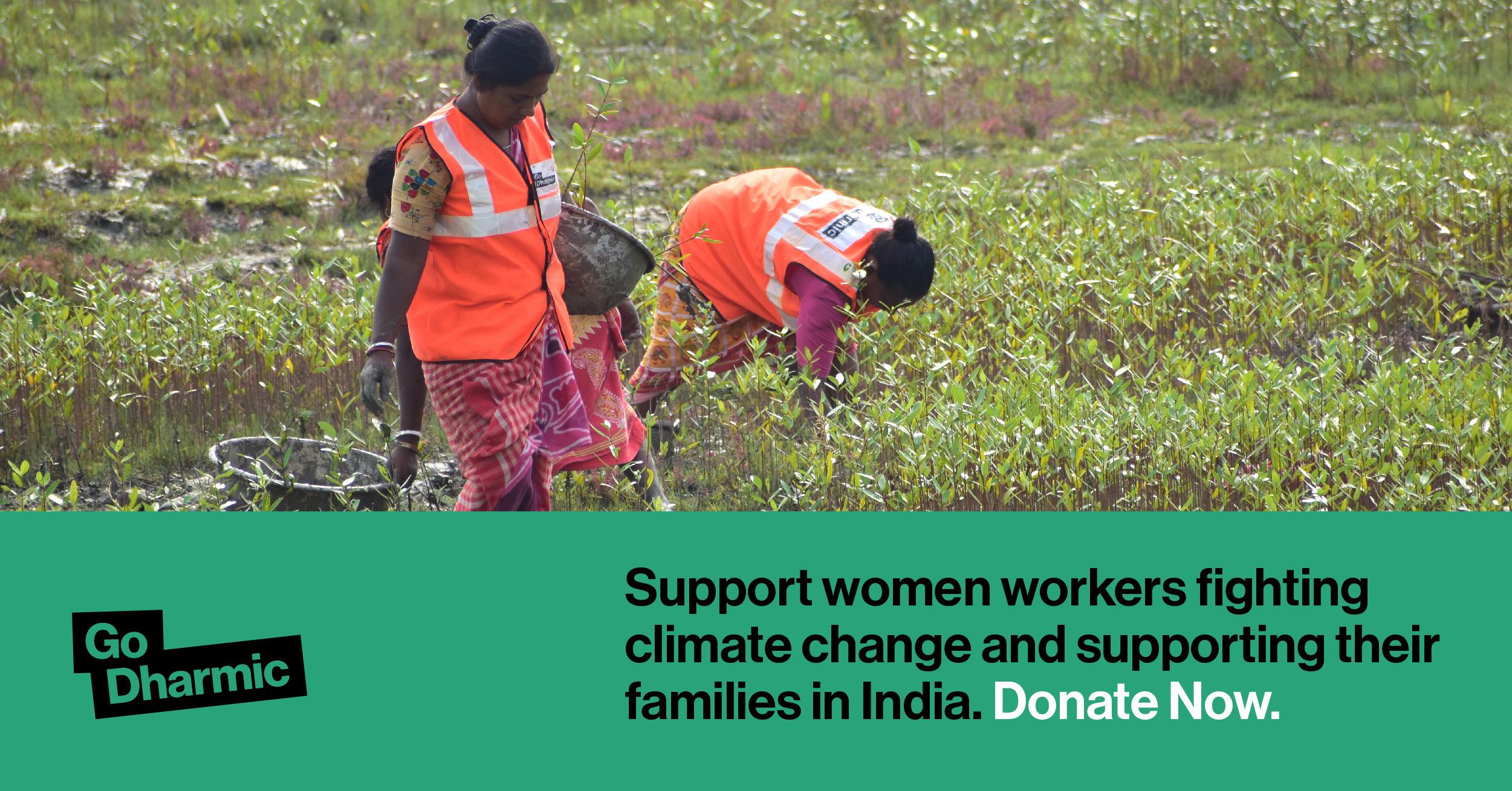
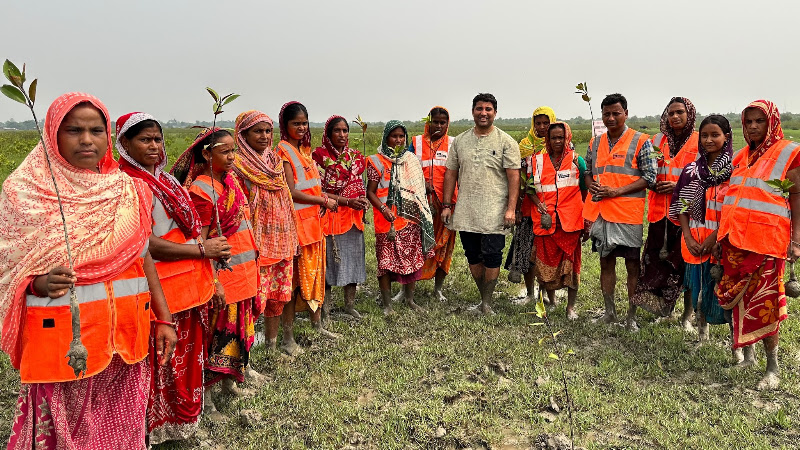
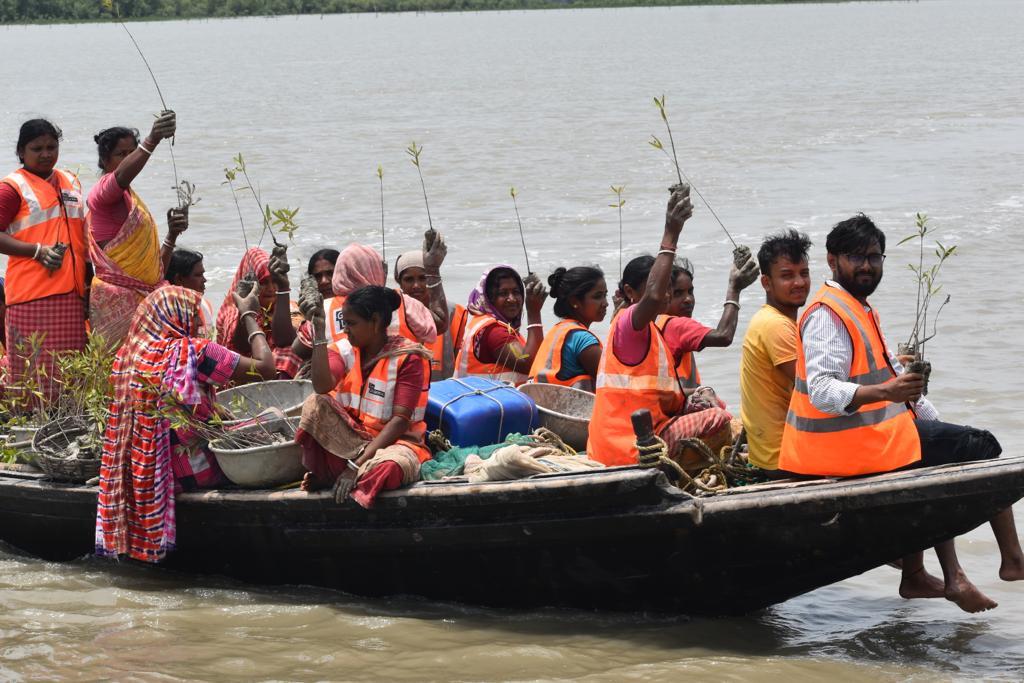
Once the saplings are ready, we undertake the crucial task of transplanting them into carefully selected sites across Gosaba, Basanti, and Canning in West Bengal. What sets our approach apart is our strong focus on involving local communities. Families and individuals from these communities actively participate in planting and caring for these young mangrove trees. This not only creates a sense of purpose but also fosters a deep connection with nature.
To ensure a sustainable seed source, we engage local volunteers and empower underprivileged women to collect fallen mangrove sapling seeds. This approach not only helps in seed procurement but also supports the empowerment of marginalised women, aligning with our broader social goals.
Collaboration with Partners:
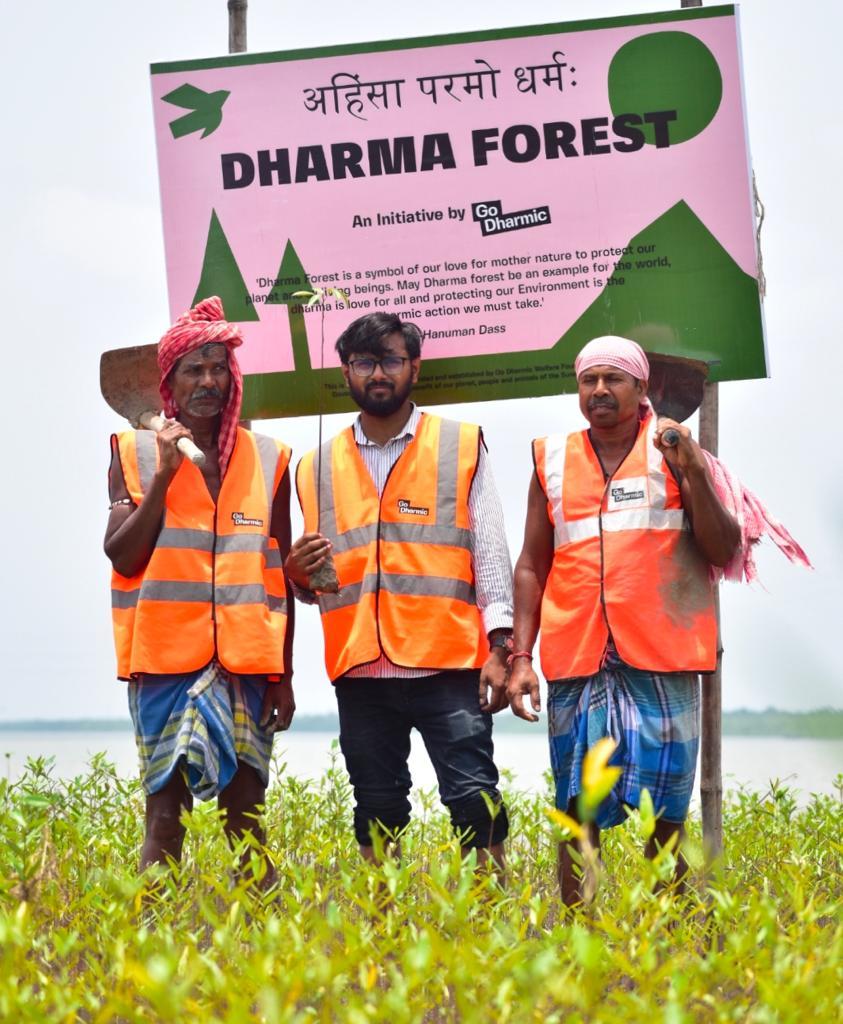
We firmly believe that collective action is the key to achieving our ambitious goal. Therefore, we actively collaborate with local organisations, and our efforts are often joined by government bodies like the West Bengal Forest Department. These collaborations magnify our impact and allow a broader range of stakeholders to experience a deep connection with the land and its biodiversity.
Together with our partners, we harness the power of community involvement and government collaboration to drive forward this monumental project. It’s not just about planting trees; it’s about building a sustainable future for the Sundarbans region and leaving a positive mark on our planet.
In summary, The Dharma Forest project is not just a tree-planting initiative; it’s a testament to the power of compassion, community involvement, and collaborative action in pursuit of a sustainable and harmonious world.