Neue Font

Cycle the Historic Salt March Across Gujarat
Salt Ride 2026
13th – 20th December 2026, Ahmedabad to Dandi, India
In 1930, Mahatma Gandhi began a 24-day march from Sabarmati Ashram to the coastal village of Dandi in protest against the British Salt Tax. That act of peaceful resistance became one of the defining moments of India’s independence movement.
Salt Ride 2026 retraces that historic route by bicycle.
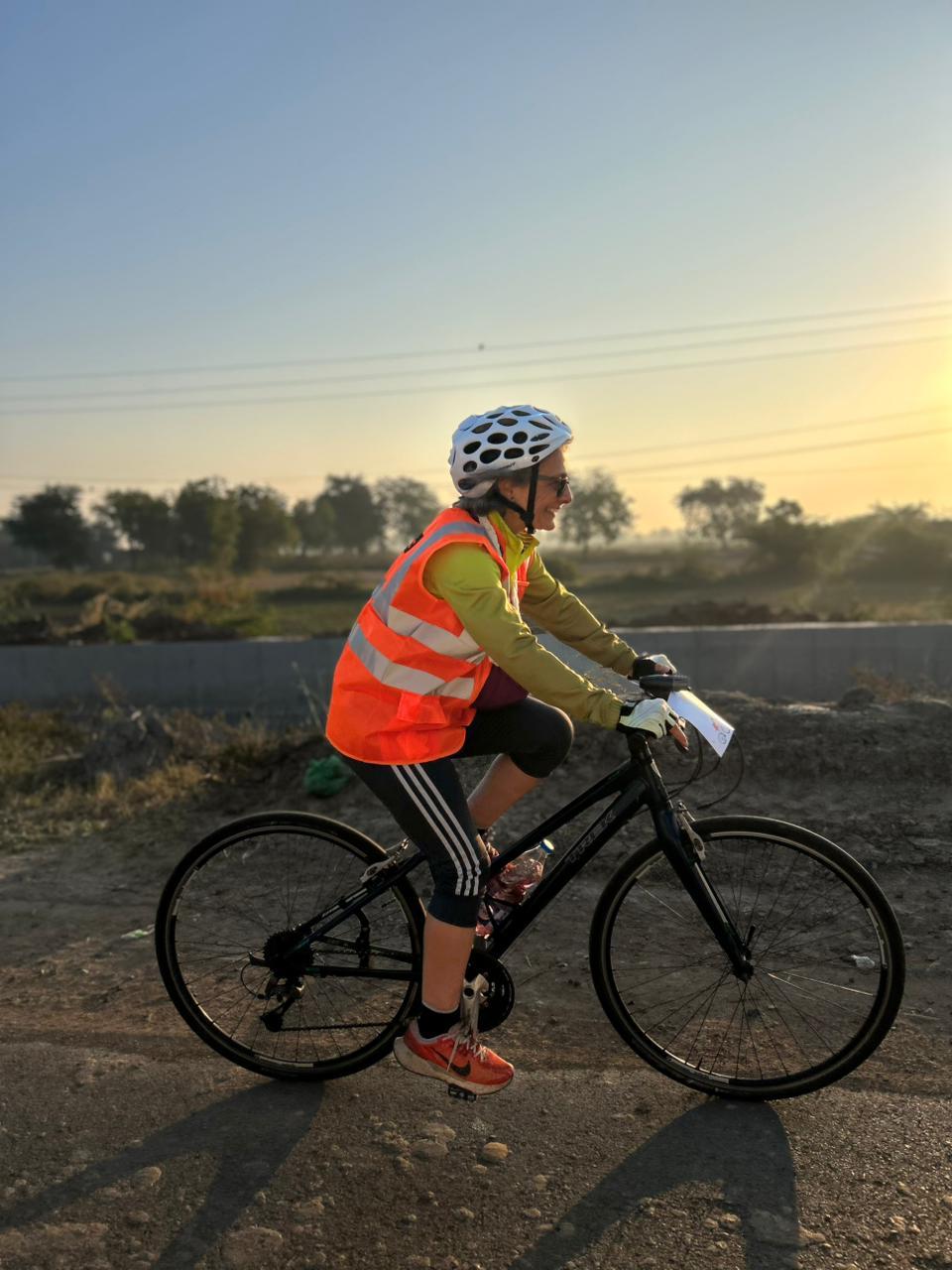
Over seven days, participants cycle approximately 440 kilometres across Gujarat, starting at Sabarmati Ashram in Ahmedabad and finishing at Dandi Beach on the Arabian Sea. The route follows key locations connected to the original march, passing through rural communities, agricultural landscapes, small towns and cultural landmarks that still carry the legacy of Gandhi’s journey.
This is not a race. It is not a holiday cycling tour. It is a structured, supported historical cycling expedition designed to combine endurance, cultural immersion and meaningful impact.
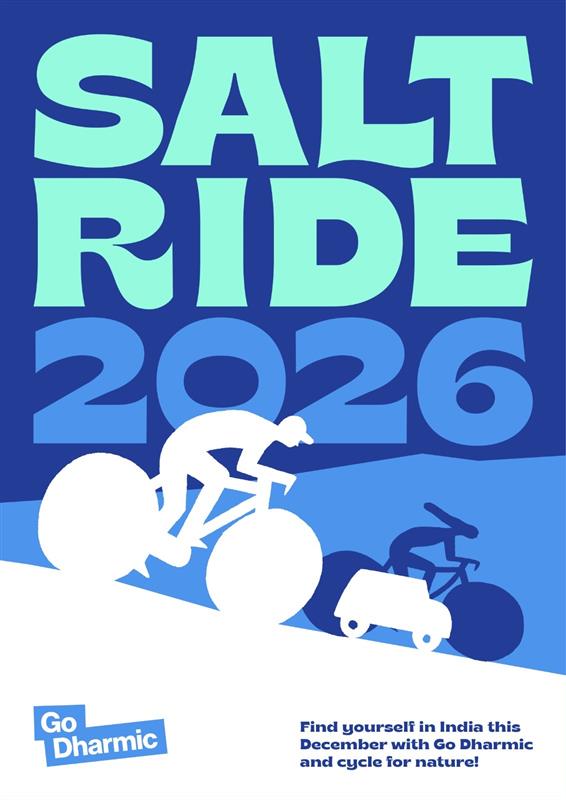
Explore the Salt Ride 2026 Journey
Planning to join the ride? Our brochure includes the full itinerary, route map, accommodation details, and everything you need to prepare for this unforgettable cycling experience across Gujarat.
What Is Salt Ride?
Salt Ride is an annual cycling event organised by Go Dharmic. It was created to connect Gandhi’s principle of non-violence (ahimsa) with modern environmental responsibility.
Participants cycle the historic Salt March route while also supporting environmental and humanitarian initiatives led by Go Dharmic. The journey offers a rare opportunity to experience rural Gujarat in a way that most international visitors never do.
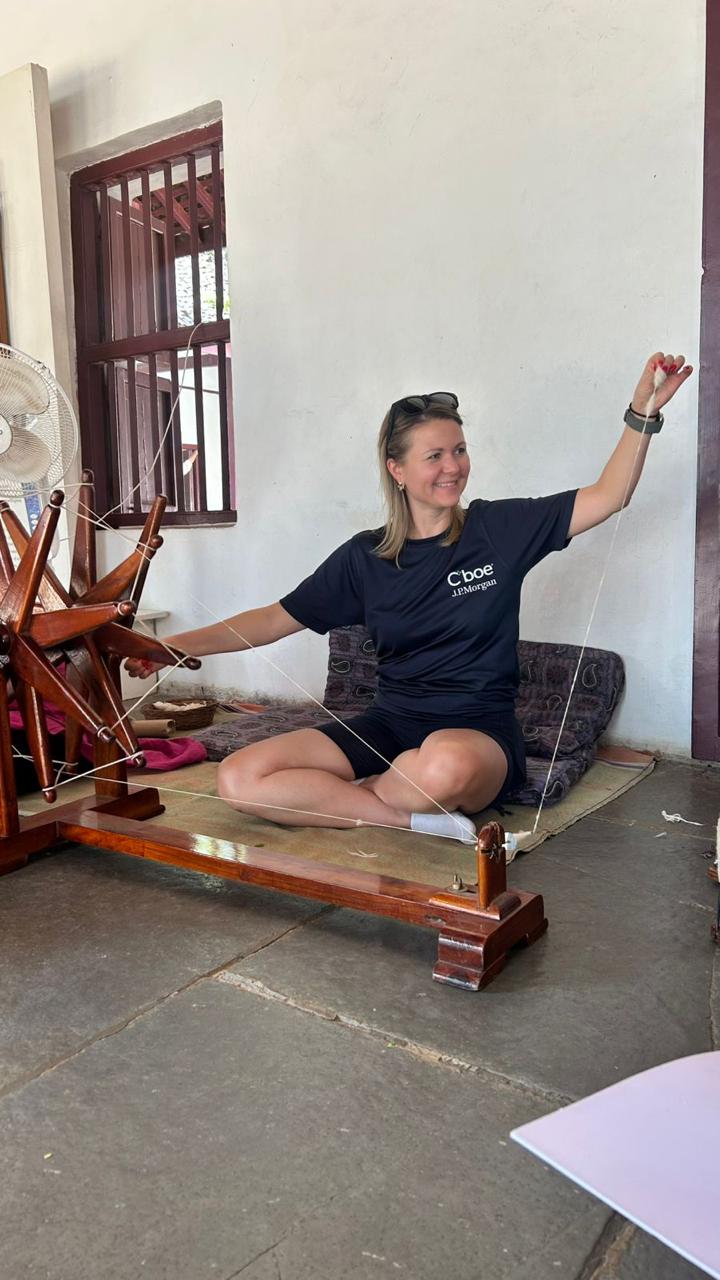
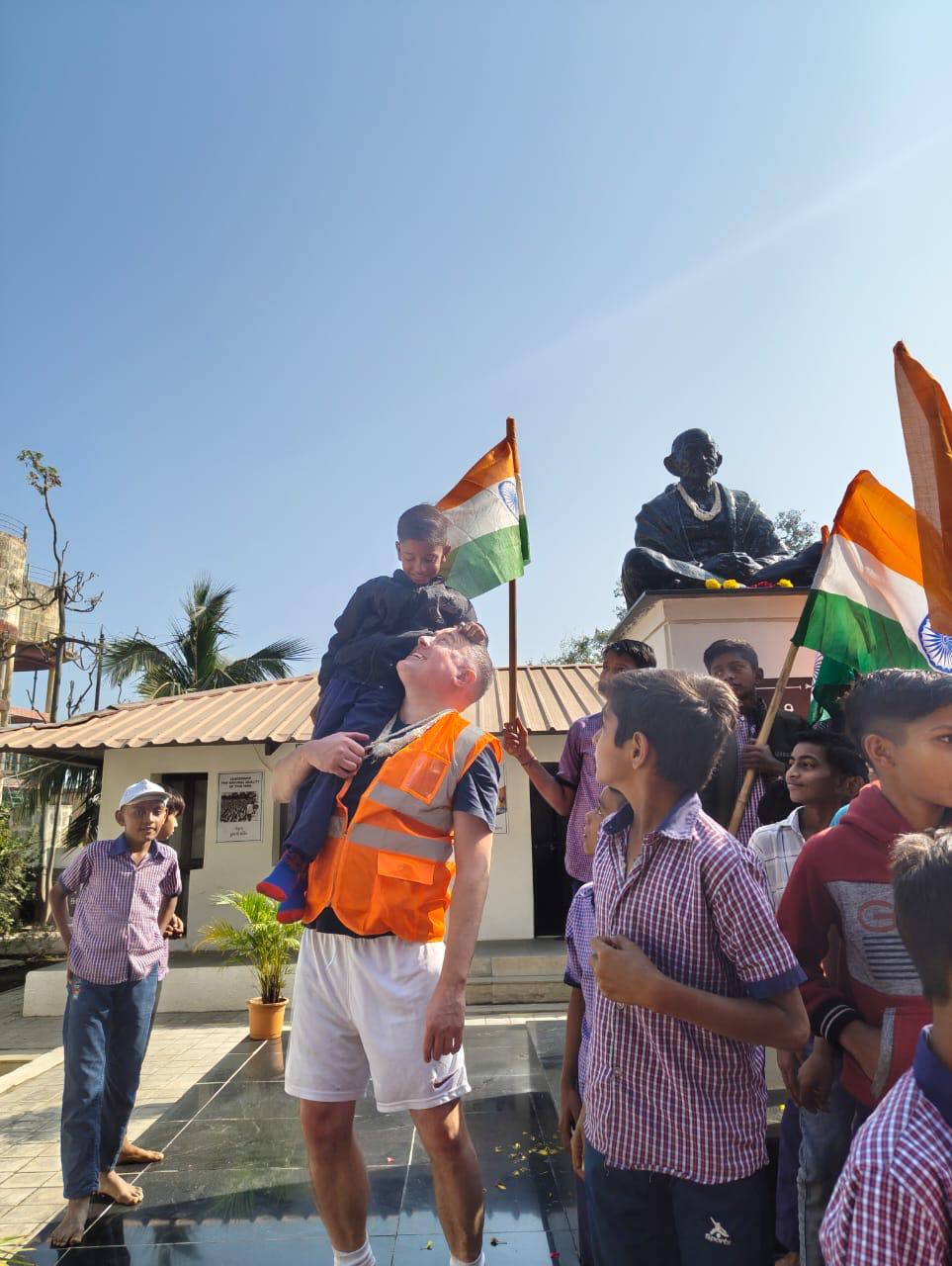
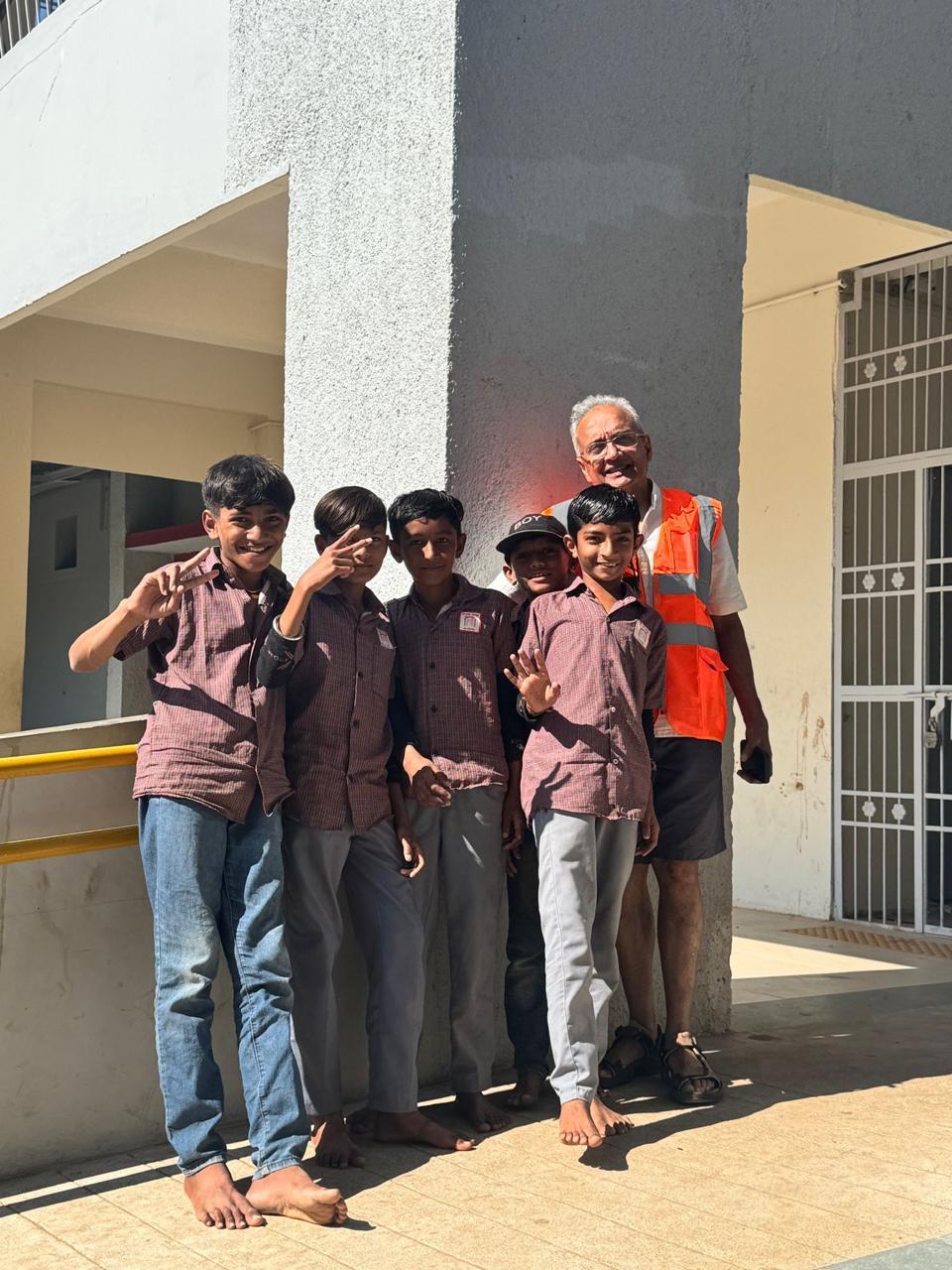
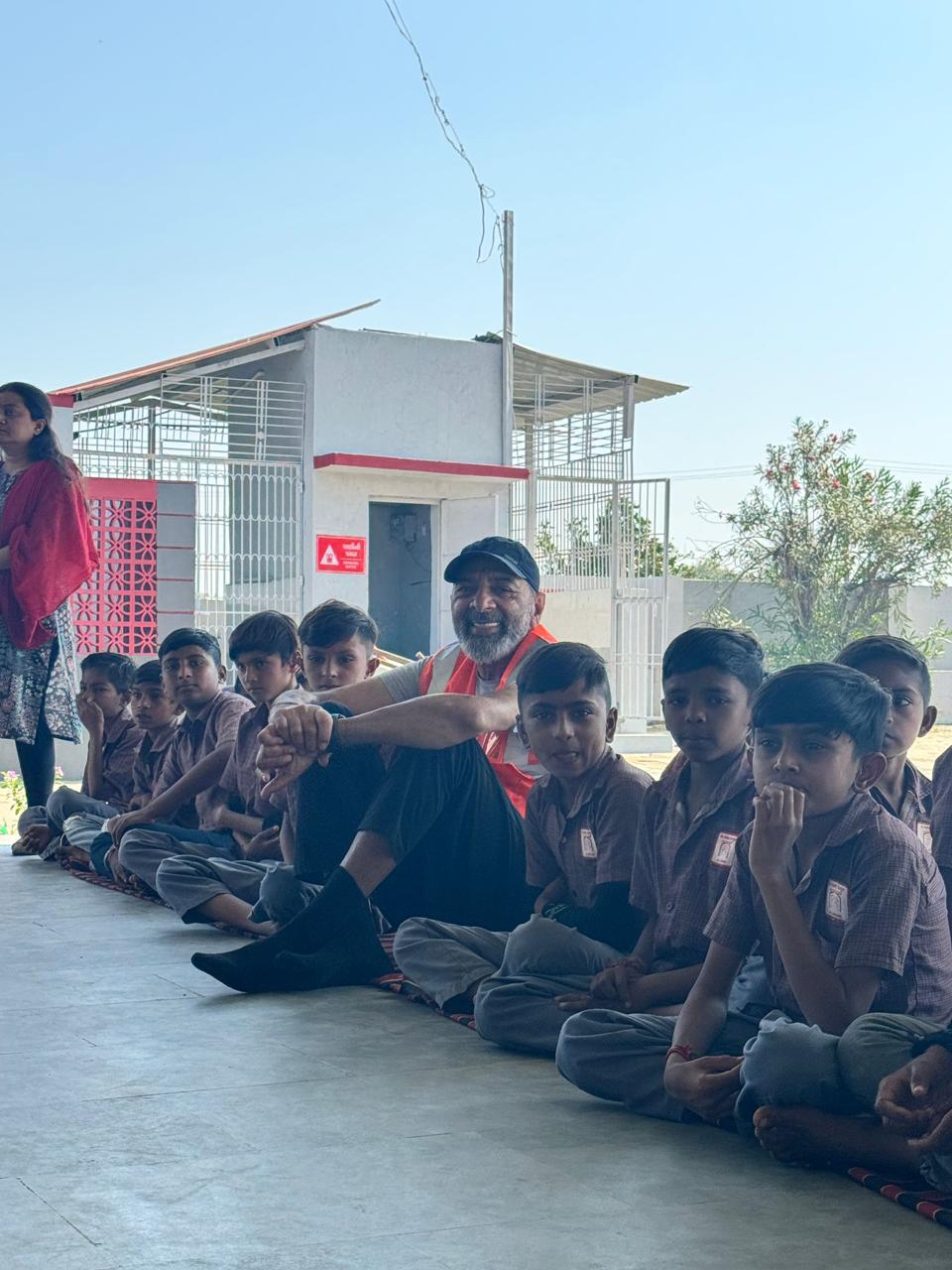
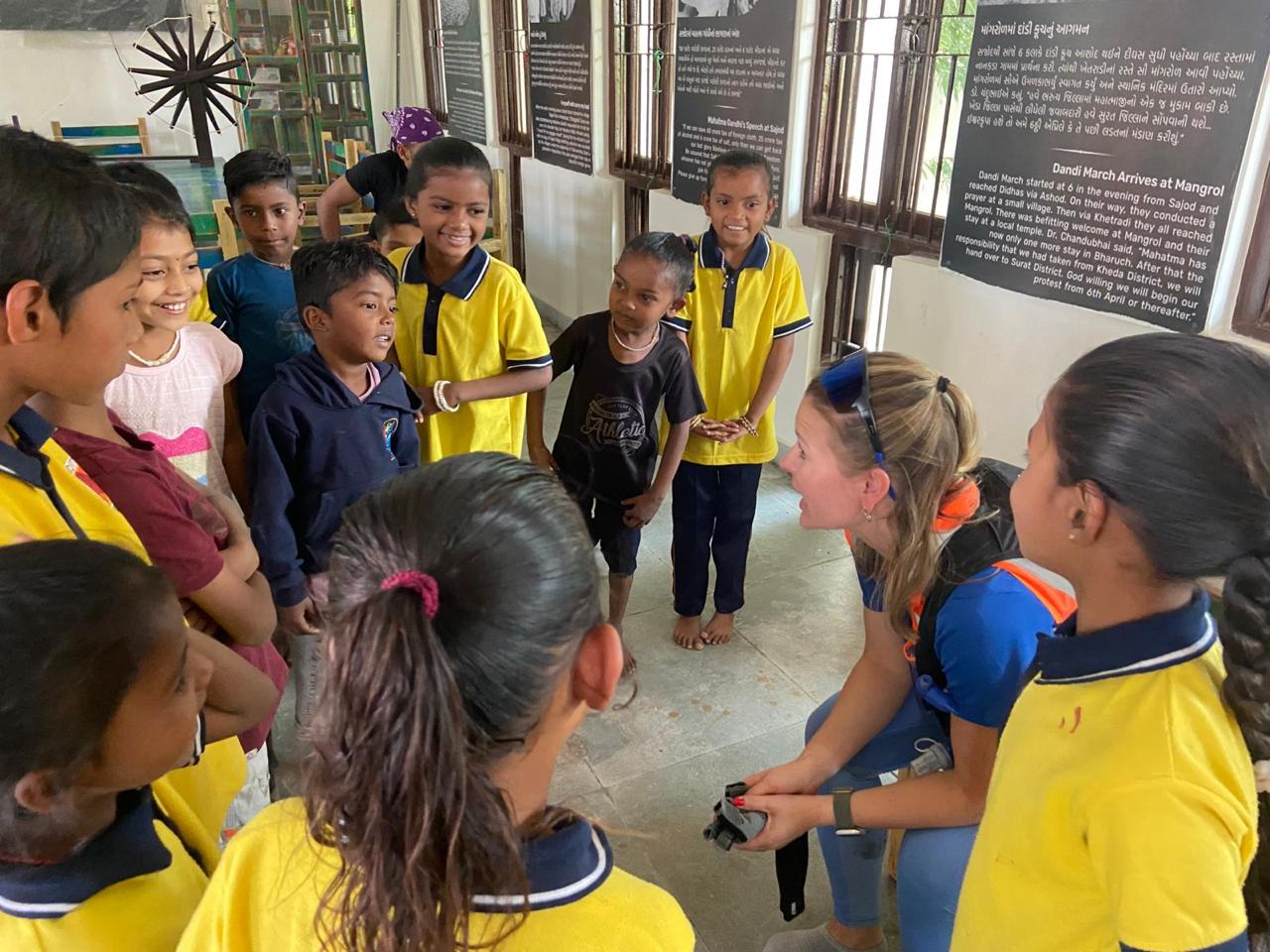
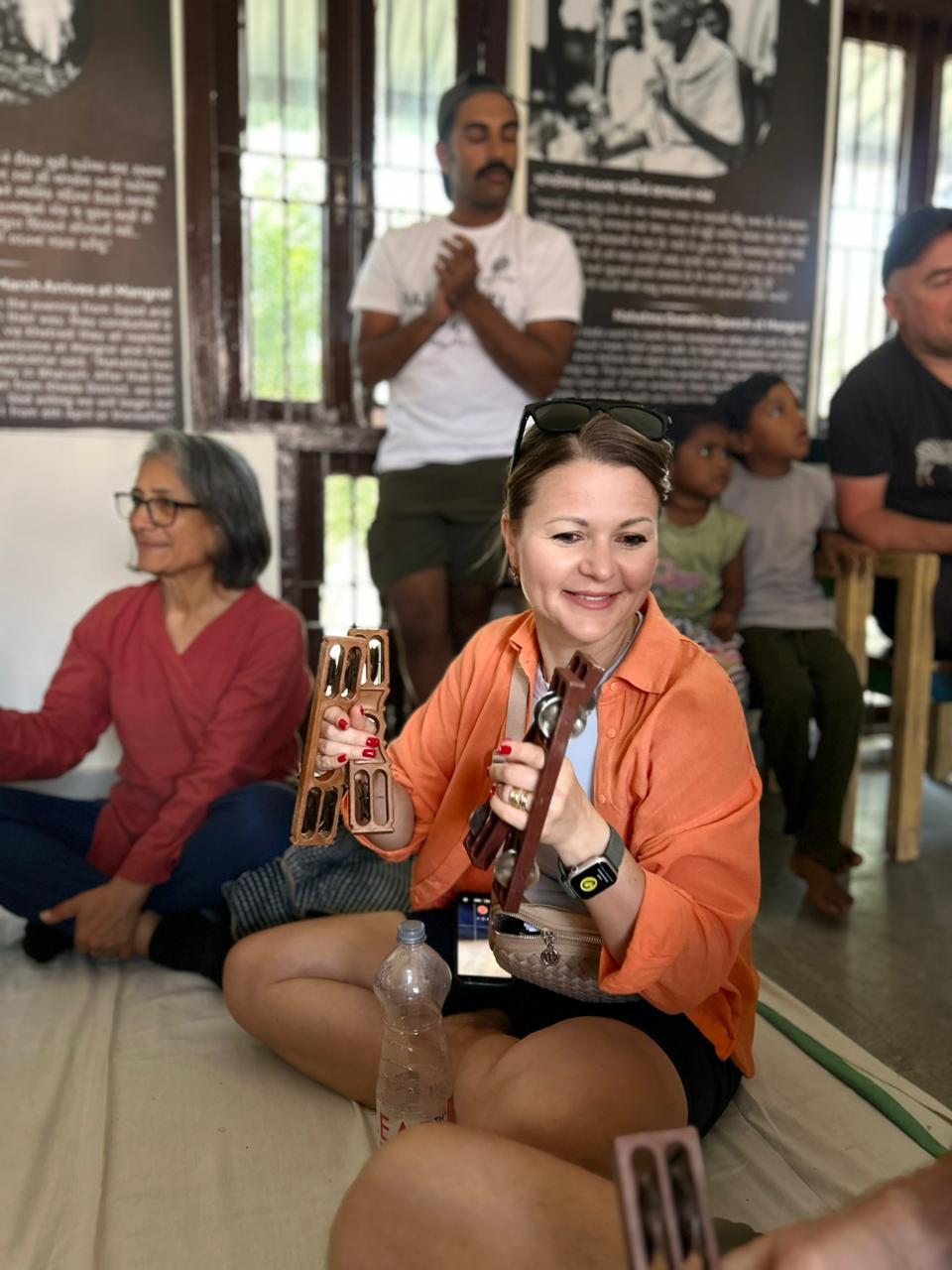
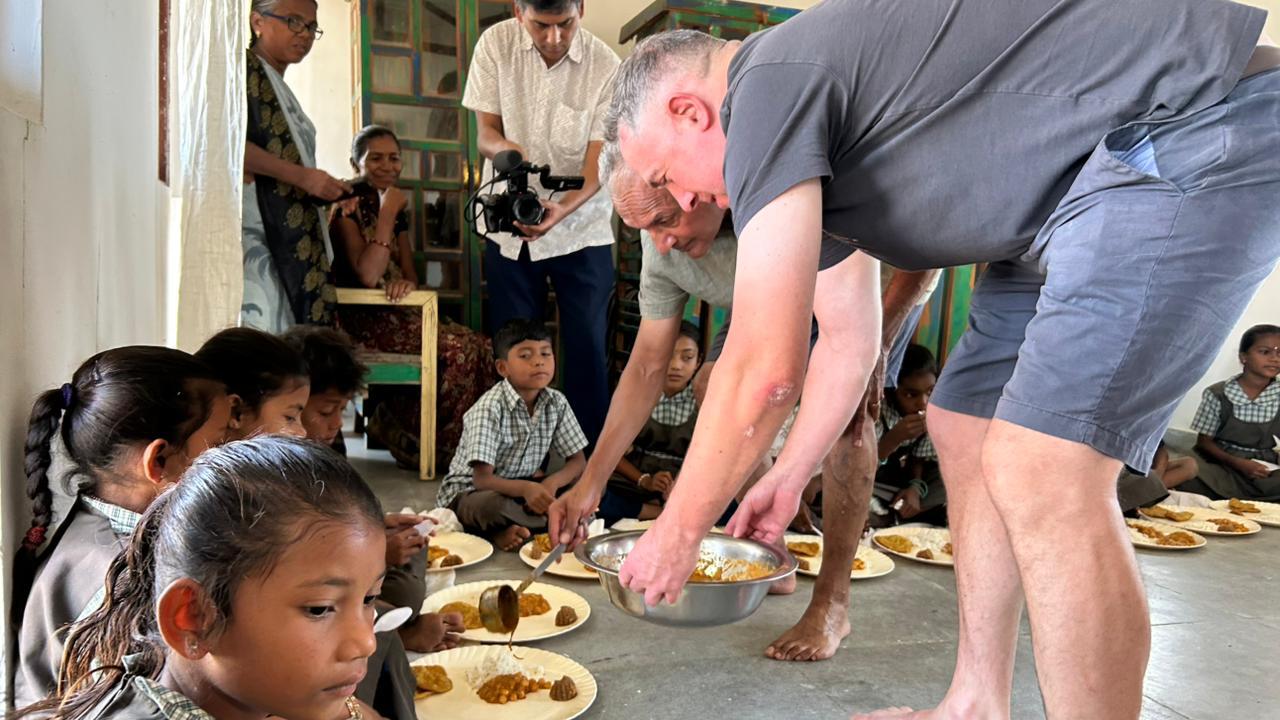
As you move from town to town, you do not simply pass through places — you are welcomed into them. Many villages along the route organise receptions, school visits and community gatherings. Riders often visit schools supported by Go Dharmic, including institutions built or strengthened in rural Gujarat where educational infrastructure has been limited. These visits allow participants to see firsthand the long-term impact of grassroots development work.
The experience combines:
- A demanding but achievable long-distance cycling challenge
- Direct exposure to rural Indian communities
- Visits to educational and environmental projects
- A deeper understanding of Gandhi’s philosophy in the very places it unfolded
Who Can Take Part?
Salt Ride is open to adults of all ages who are medically fit and willing to prepare responsibly.
Participants in previous years have included:
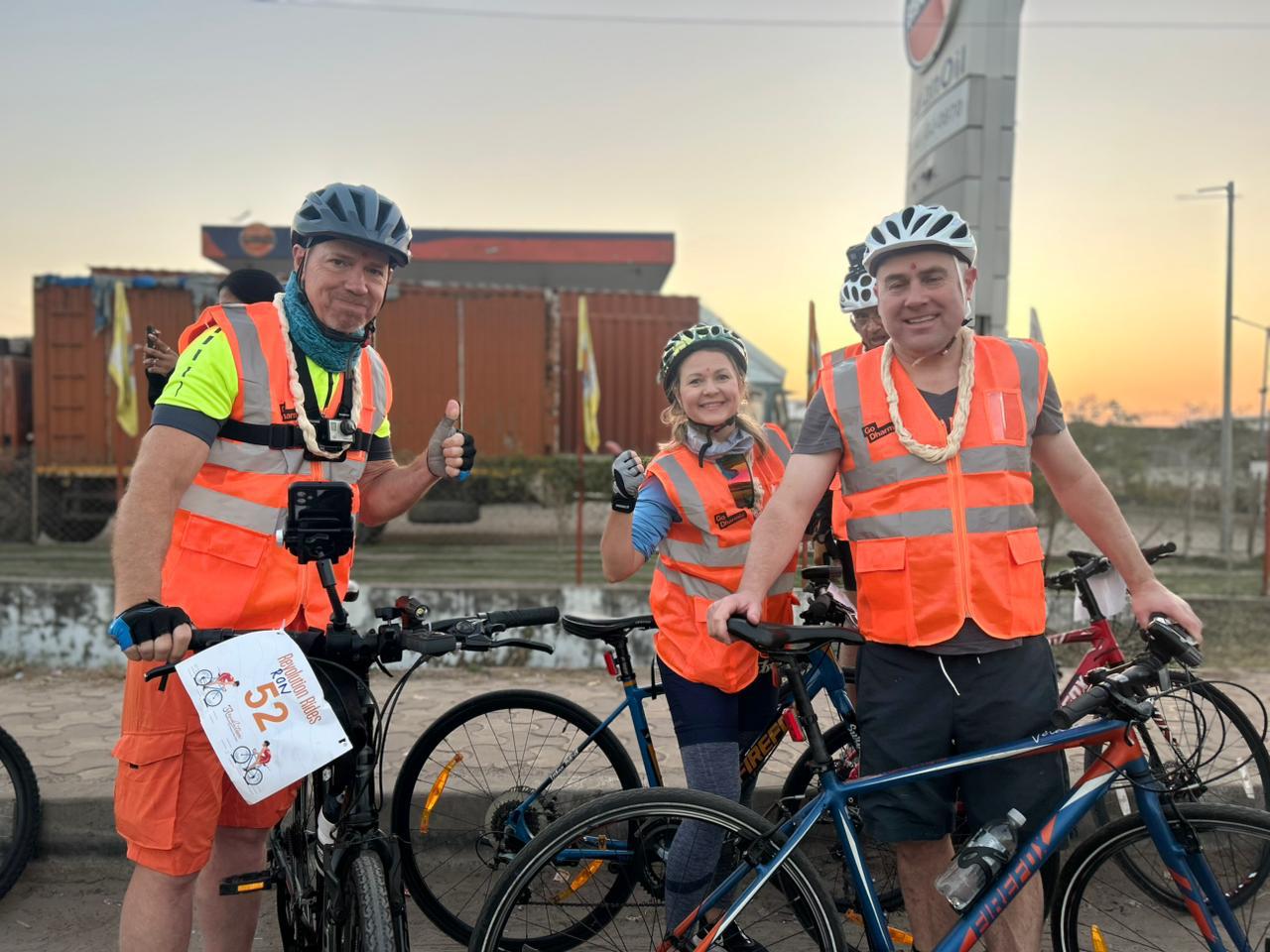
- First-time long-distance cyclists
- Experienced club riders
- Individuals over 75 years of age
- Corporate teams
- Independent travellers seeking a meaningful challenge
You do not need to be a professional cyclist. You do need a commitment to train in advance and the determination to complete multiple consecutive days of moderate to long distances.
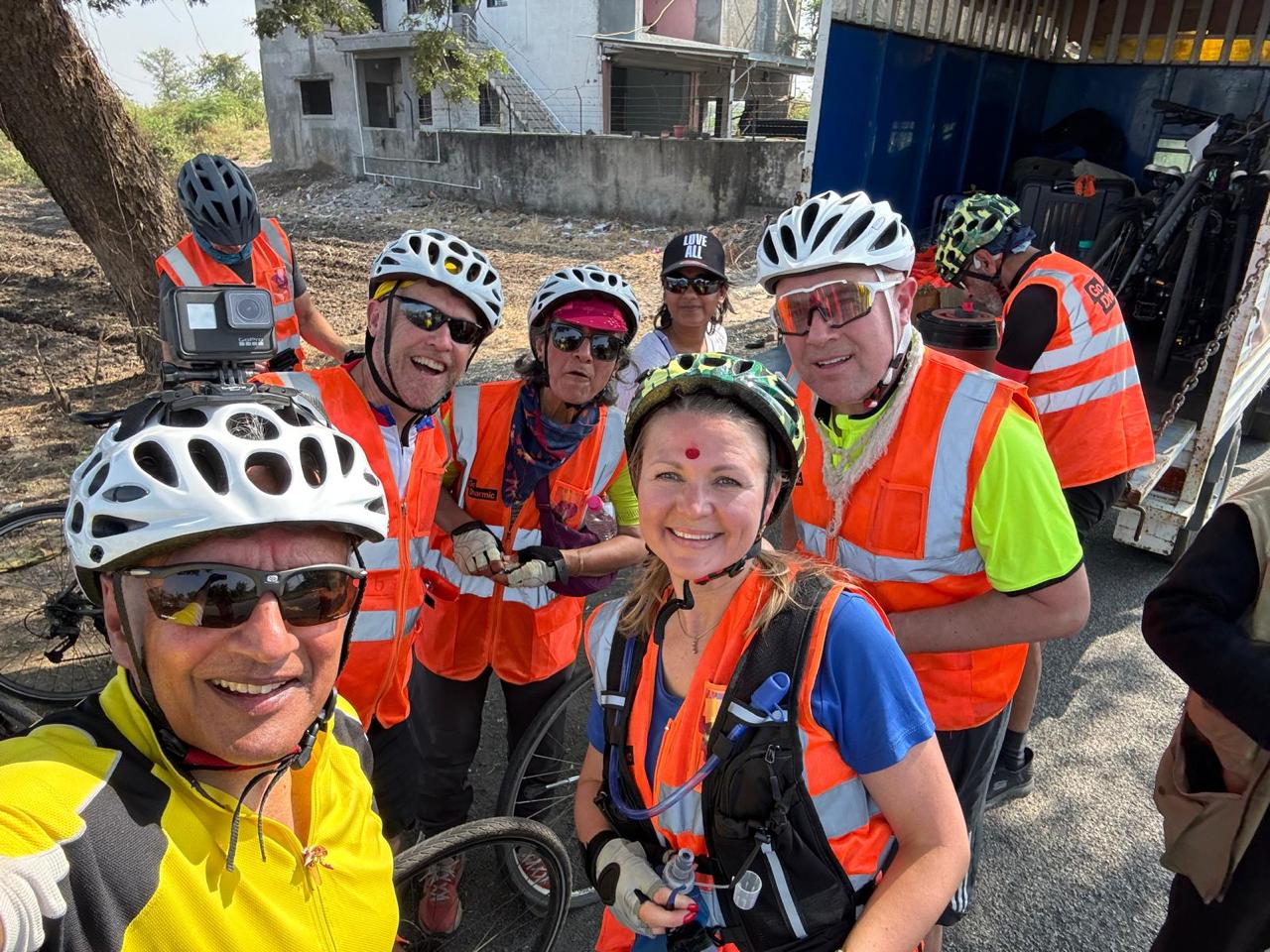
The ride is fully supported by:
- A professional cycling instructor
- An experienced tour leader
- A qualified medic
- Support vehicles that accompany the group throughout
The Purpose Behind The Ride
The original Salt March was an act of resistance against injustice. Salt Ride connects that historical spirit to present-day environmental responsibility.
Go Dharmic’s environmental work includes:
- Mangrove plantation in the Sundarbans
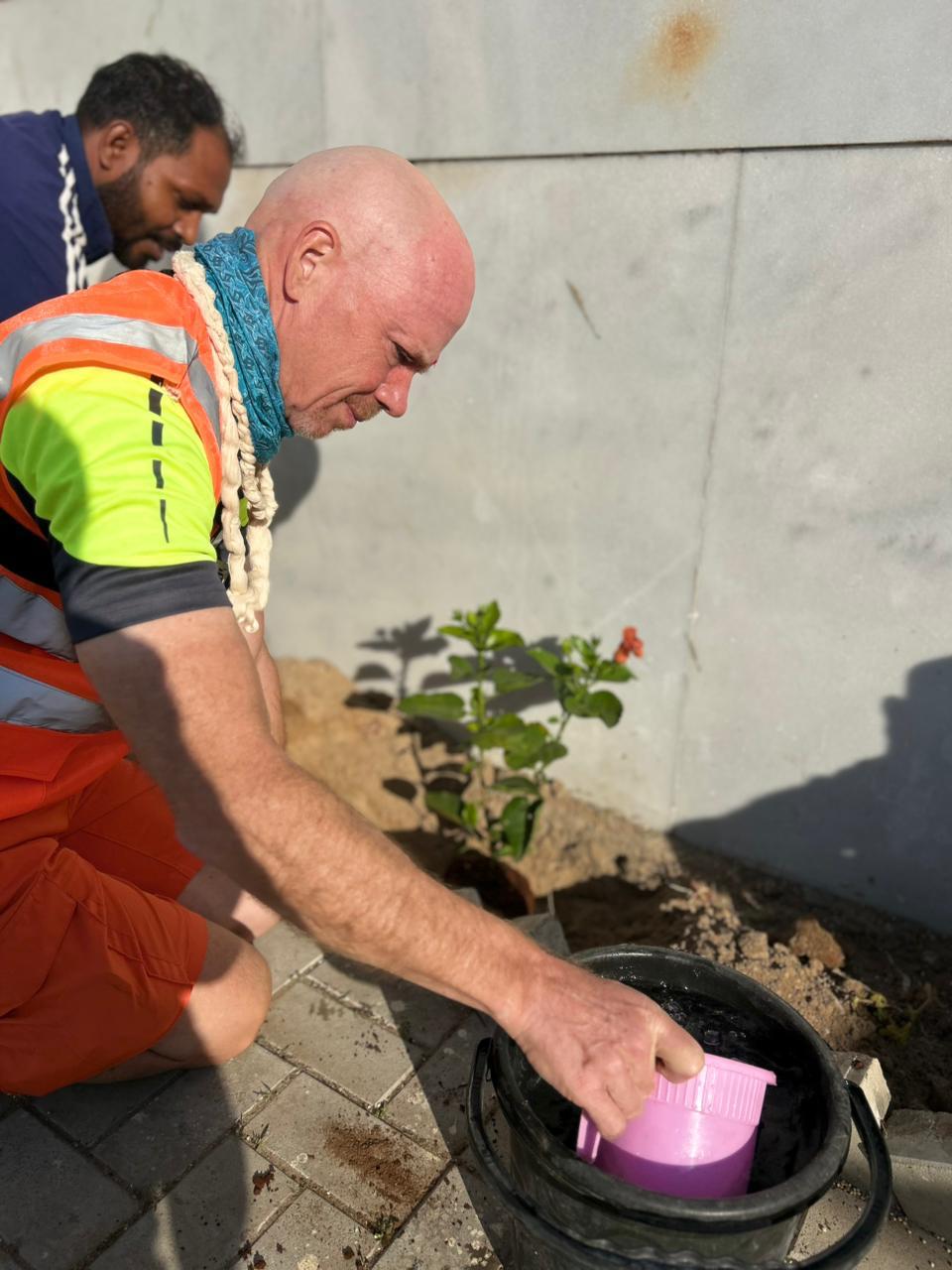
- Large-scale tree plantation initiatives
- Climate resilience projects
- Sustainable food distribution
- Educational programs focused on environmental awareness
Every pedal represents commitment. Every pound raised contributes directly to measurable environmental impact. In practical terms, every contribution helps plant and protect mangroves in the Sundarbans — one of the world’s most important ecological regions.
Fundraising is strongly encouraged. While not mandatory, most participants choose to raise funds and many exceed their initial targets. The process often becomes one of the most rewarding aspects of the experience, as friends, families and communities rally behind each rider’s effort.
About Go Dharmic
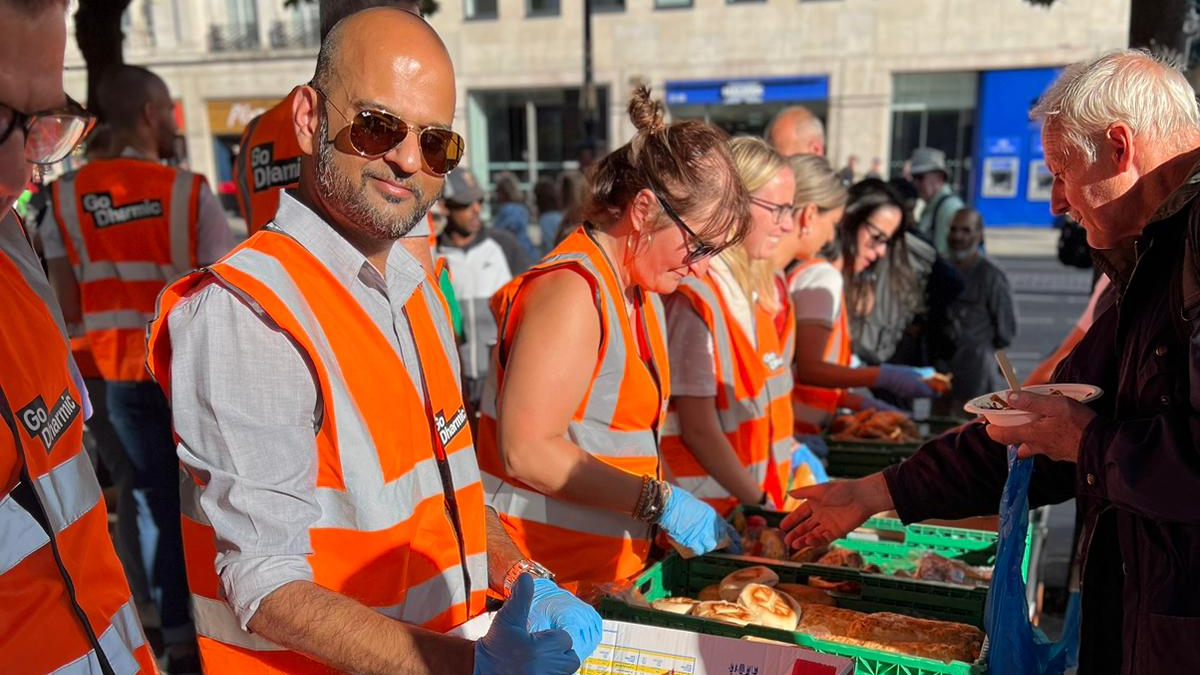
Go Dharmic is an international humanitarian organisation inspired by the principle “Love All. Feed All. Serve All.”
Over the past years, Go Dharmic has:
- Distributed millions of meals globally
- Supported disaster relief efforts in multiple regions
- Planted and protected hundreds of thousands of mangrove trees
- Launched environmental awareness campaigns across India and beyond
In Gujarat specifically, Go Dharmic has supported rural schools along the Salt March route. During Salt Ride, participants visit some of these schools, allowing them to see tangible outcomes of sustained development work.
Salt Ride is not a standalone event. It is part of a larger ecosystem of humanitarian and environmental initiatives.
Ride Details
Arrival And Orientation
Participants arrive in Ahmedabad on 13th December.
- Visit to Sabarmati Ashram
- Historical introduction to the Salt March
- Bicycle allocation and professional fitting
- Full safety briefing
- Route overview and expectations
- Meet and greet with the support team
This preparation ensures that every participant begins the ride informed and confident.

What’s Included
Your registration covers all on-ground arrangements in India:
Seven nights of accommodation (a combination of ashrams and reputable hotels)
All meals during the ride (with dietary needs accommodated)
Go Dharmic bicycle for the entire journey
Continuous support vehicles
Cycling instructor and road marshals
Tour leader
Organised visits to schools, temples and project sites
Tree plantation activity
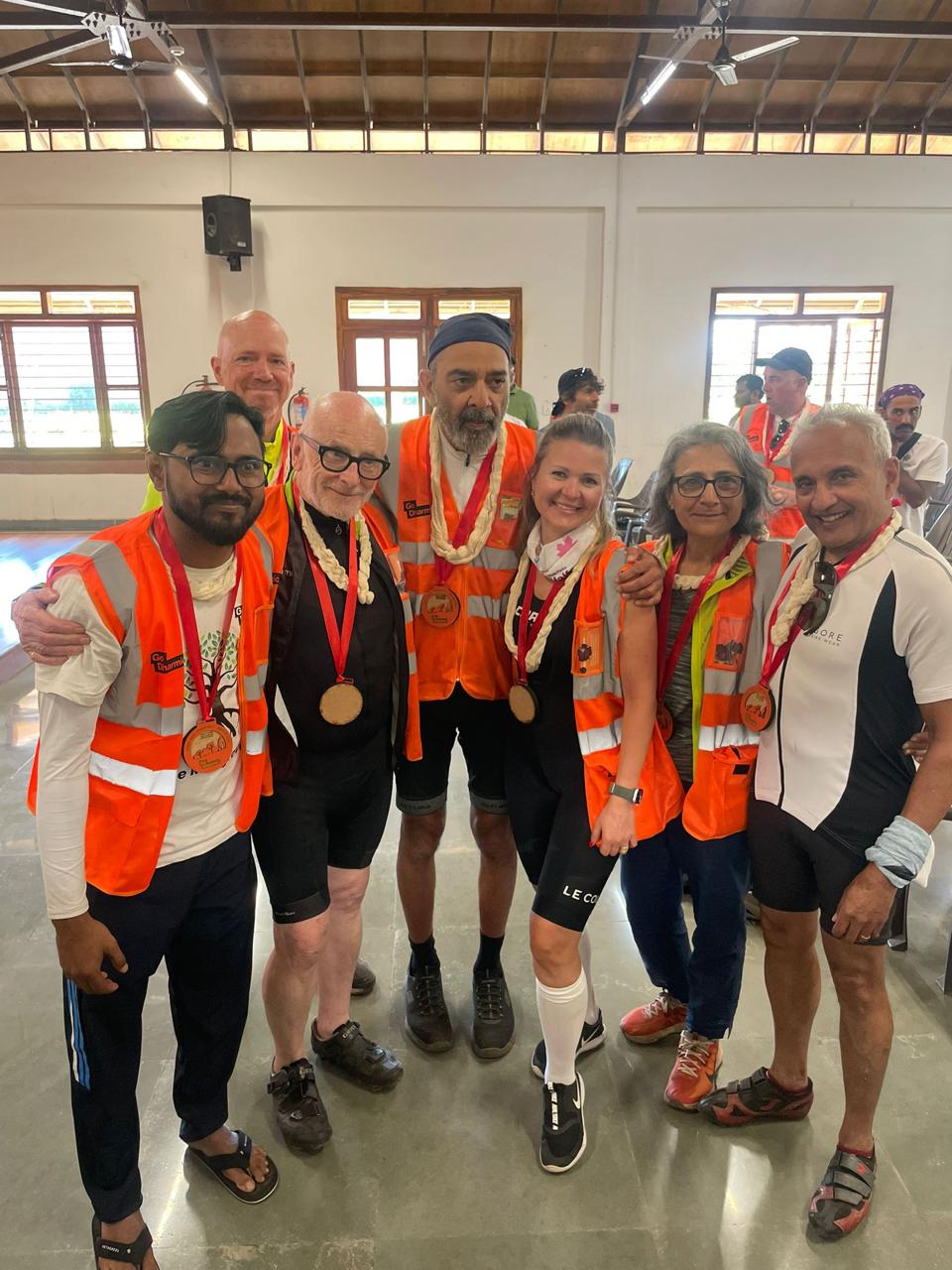
Completion medal and certificate
International flights, visa fees and travel insurance are not included.
Detailed Itinerary
Day 0 – Ahmedabad Arrival (13 December)
- Arrival and check-in.
- Visit Sabarmati Ashram, Gandhi’s residence and the official starting point of the Salt March. Participants gain historical context before beginning the journey. Evening includes bike fitting, technical checks and safety orientation.
Day 1 – Ahmedabad to Nadiad (74KM)
Day 2 – Nadiad to Kankapura (61KM)
Day 3 – Kankapura to Kareli (51KM)
Day 4 – Kareli to Mangrol (109KM)
The most physically demanding stage. This long-distance day tests stamina and mental resilience. Support vehicles rotate alongside participants, ensuring hydration, rest opportunities and safety oversight.
Completing this stage is a major milestone in the journey.
Day 5 – Rest and Project Visits
Day 6 – Mangrol to Navsari (117KM)
The final long-distance push. Riders now cycle with increased confidence and cohesion as a group. Arrival in Navsari is often marked by engagement with local cycling communities.
Day 7 – Navsari to Dandi (22KM)
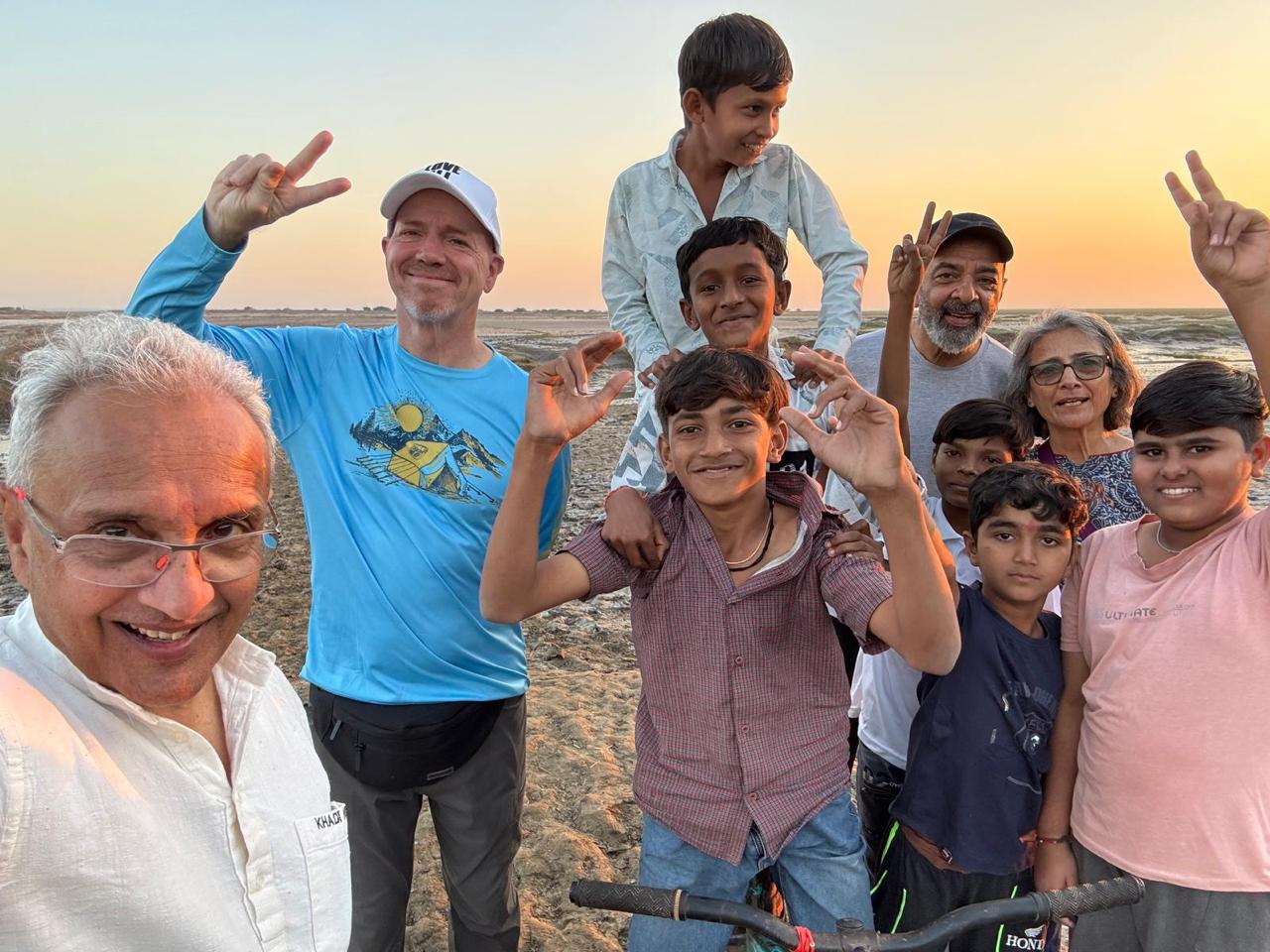
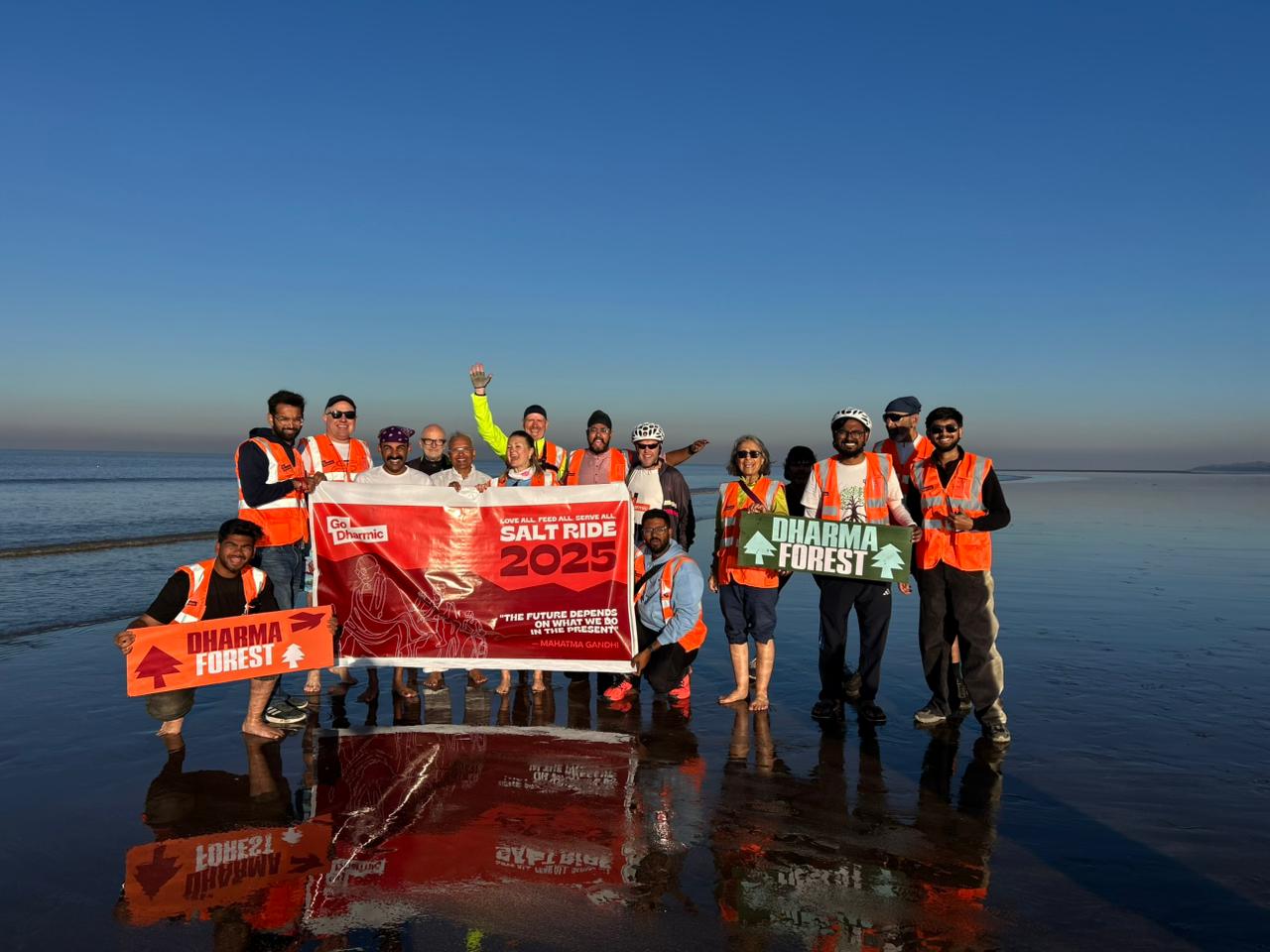
The concluding stage leads to Dandi Beach. Riders visit the Gandhi Salt Memorial, reflecting on the historical significance of the site and the completion of the 440KM journey.
A formal closing ceremony marks the end of Salt Ride 2026.
Registration Information
Registration Fee: £800
Suggested Fundraising Target: £3000
After registering, participants receive:
- A fundraising guide
- Training suggestions
- Travel guidance
- A full welcome pack
- Access to a dedicated participant communication group
Frequently Asked Questions
Is fundraising compulsory?
Participants are encouraged to raise £3,000 in support of Go Dharmic’s environmental initiatives. Most riders embrace this opportunity and often exceed their targets, rallying friends, family, and communities behind their journey. Every contribution helps plant and protect mangroves in the Sundarbans and supports vital environmental projects.
What level of fitness is required?
Is it safe to cycle on Indian roads?
Safety is prioritised through route planning, support vehicles, instructors and medical support. Riders must remain attentive and follow safety guidance at all times.
What happens if I cannot complete a stage?
What type of accommodation is provided?
Salt Ride 2026
The Salt Ride is waiting for you
Salt Ride 2026 offers the opportunity to cycle one of the most historically significant routes in the world, experience rural India beyond conventional tourism, and contribute to meaningful environmental work.
It is physically demanding, culturally enriching and deeply memorable.
© 2026 Go Dharmic · Love All. Feed All Serve All.